Electoral wins and ballot measure losses
Last week Democrats garnered massive wins in the 2026 midterm elections, gaining control of both the Senate and House by significant margins. Amid this shift, a record-breaking number of LGBTQ+ officials were elected to office. For many, identity was not a central part of their campaign—instead, there was a trend of focusing on bipartisan issues affecting a wide range of constituents.
Many of the officials were reelected to their positions, but there were several “firsts” this election cycle. Senator-elect Chris Pappas became the first out gay U.S. Senator in history. State House districts in Alabama and Washington each elected their first out trans lawmaker, and a Georgia district elected its first nonbinary lawmaker. Representative-elect Jaelynn Scott, the lawmaker from Washington, is the nation’s first out Black trans lawmaker in history.
Representative-elect J.D. Ford is the first out LGBTQ+ person to represent Indiana in Congress, and Representative-elect Jeremy Moss is the first to do so for Michigan. Texas saw its first ever LGBTQ+ lawmaker to win a statewide race in Chief Justice-elect Maggie Ellis, who will oversee the Texas Supreme Court.
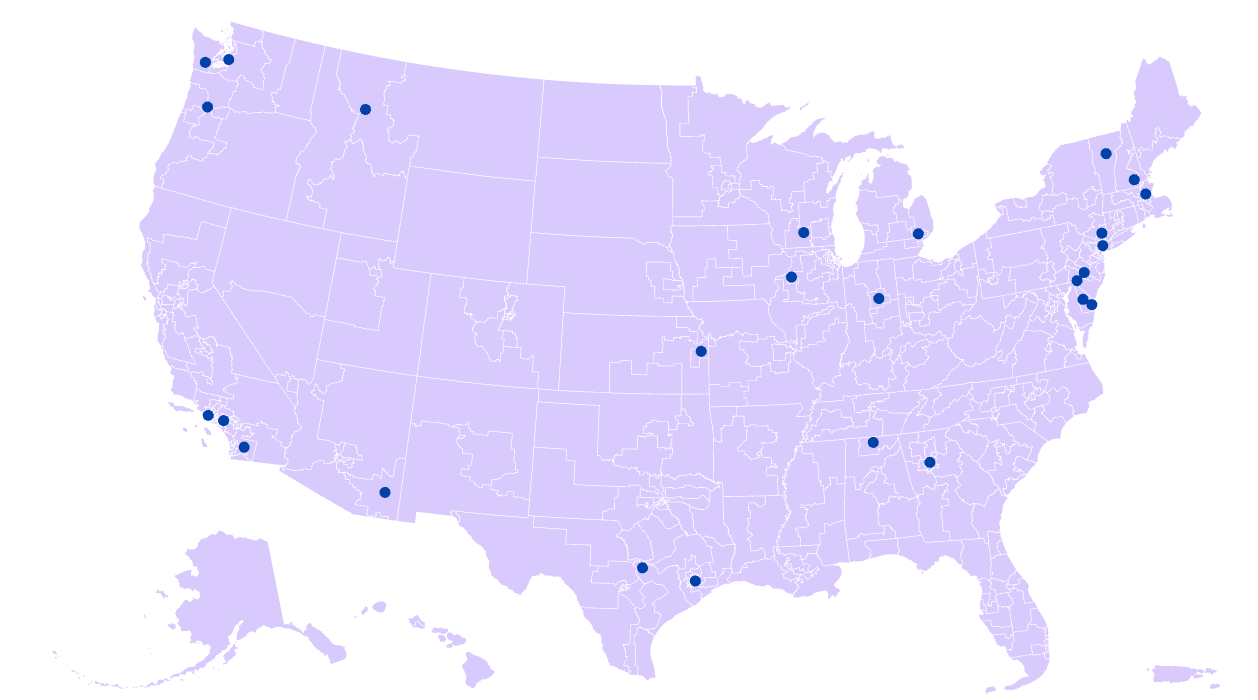
The interactive map below displays every LGBTQ+ elected state and federal official this midterm. Hover over or click each dot to read more.
Nearly every LGBTQ+ official elected this midterm is or was the first to do so in their position, state or in the country. Some were also the first of their ethnicity to be elected to office or the first in their families to attend college. These lawmakers are treading new paths, increasing representation of both LGBTQ+ people and the intersectional identities they hold.
Yet representation often isn’t stable enough ground for real change. Voters on both sides of the political spectrum showed this midterm that culture war ballot measures related to LGBTQ+ rights are still highly contentious.
Mixed voting on LGBTQ+ ballot measures
Several states considered measures related to LGBTQ+ rights this election cycle, and the results varied strongly by issue. The clearest sentiment that emerged, even in deep blue states, was anti-trans.
Arizona, Colorado, Missouri, Nebraska and Washington voters all faced ballot measures with language regarding transgender individuals. Missouri and Colorado both had measures concerning gender confirmation surgeries for minors. The measure passed in Colorado and not Missouri, though in Missouri the language was part of a broader measure that would have restored an abortion ban in the state.
The rest of the states, along with Colorado, all proposed to ban transgender athletes from sports. Each state passed the ban—the margins were much slimmer in historically blue Colorado and Washington than in Arizona and Nebraska. Arizona’s included limiting access to school and athletic facilities based on sex assigned at birth.
Bans on transgender athletes in sports require schools or local authorities to create verification mechanisms. This can entail invasive examinations of reproductive anatomy and testing of genetic makeup or natural testosterone levels. These four states join 27 others in limiting trans athletes.
On the issue of banning gender confirmation surgery for minors, the passage of such measures brings the government into conversations that were once between minors, families and healthcare providers.
Voter turnout for these issues in each individual state was higher than the nationwide population they voted on. The Williams Institute estimates that just 3.3% of U.S. youth between ages 13-17 identify as trans (approximately 724,000), and no more than 1.3% of college athletes identify as trans.
Alongside these setbacks for trans rights were some broader LGBTQ+ ballot measure successes. Virginia finally voted to repeal its ban on gay marriage eleven years after Obergefell v. Hodges passed in 2015, rendering the ban useless. Vermont added an amendment to its constitution guaranteeing equal protection under the law, including for sexual orientation, gender identity and gender expression.
The blue wave brought with it a lot of significant wins for the LGBTQ+ community, largely in the form of representation in state and federal legislatures. But it also showed that voters still have red lines they won’t cross. And several Democratic candidates that flipped key Republican seats capitulated on trans rights during their campaigns, including James Talarico (TX), Annie Andrews (SC) and Amy Acton (OH).
In the wake of the blue wave, the question now is whether or not it will result in real change, who will get to enjoy it, and who will be left on the margins.